

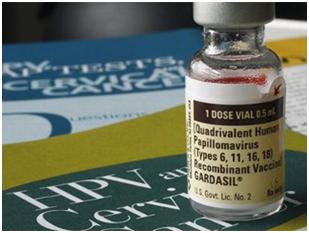
 “The rate of serious adverse events (from the Gardasil vaccine) is greater than the incidence rate of cervical cancer,” which the vaccine is intended to prevent, according to Dr. Diane Harper, director of the Gynecologic Cancer Prevention Research Group at University of Missouri.
As of June 1, 2009, the CDC reported that over 25 million doses of Gardasil, which is recommended for women between ages 9-26, have been distributed in the U.S. and there was an average of 53.9 VAERS reports per 100,000 vaccine doses. Of these, 40 percent occurred on the day of vaccination, and 6.2 percent were serious, including 32 reports of death.
CDC Report Stirs Controversy For Merck’s Gardasil Vaccine
Cervical Cancer Vaccine Linked to Deaths, Incidents of Fainting and Blood Clots
By RADHA CHITALE
ABC News Medical Unit
August 19, 2009
A government report released Tuesday raises new questions about the safety of the cervical cancer vaccine Gardasil. The vaccine has been linked to 32 unconfirmed deaths and shows higher incidences of fainting and blood clots than other vaccines.
A look at whether the benefits of a cervical cancer vaccine outweigh the risks.
______________________
The results of the report appeared along with an accompanying editorial discussing whether the potential benefit of the HPV vaccine is worth its potential risks in the Journal of the American Medical Association. The editorial, in particular, could give pause to many parents faced with the decision of whether or not to have their 11- and 12-year-old daughters vaccinated against the certain strains of the human papillomavirus, or HPV.
Those who search for more information on the vaccine may also find stories from other parents who say the vaccine had ill effects on their daughters.
One of these parents, Emily Tarsell, started her daughter Christina on Gardasil — a vaccine that protects against four of the most common cancer-causing strains of the human papilloma virus (HPV) — after her first visit to a gynecologist and at the doctor’s recommendation.
Eighteen days after Christina received her final vaccine shot, she died.
“I know it was the Gardasil,” Tarsell said, although the official cause of death was undetermined.
“They were really recommending it, saying that there weren’t any side effects, that it was safe. So I kind of went against my better instinct [and let her] get the shot.”
Deaths like Christina’s are one of several types of complications reported to the U.S. Vaccine Adverse Event Reporting System (VAERS) following Gardasil distribution in 2006.
Some of these adverse events were serious, including blood clots and neurological disorders, and some were non-life threatening side effects from the vaccine, including fainting, nausea and fever.
Source: ABC News: http://abcnews.go.com/Health/CancerPreventionAndTreatment/gardasil-hpv-vaccine-faces-safety-questions/story?id=8356717